
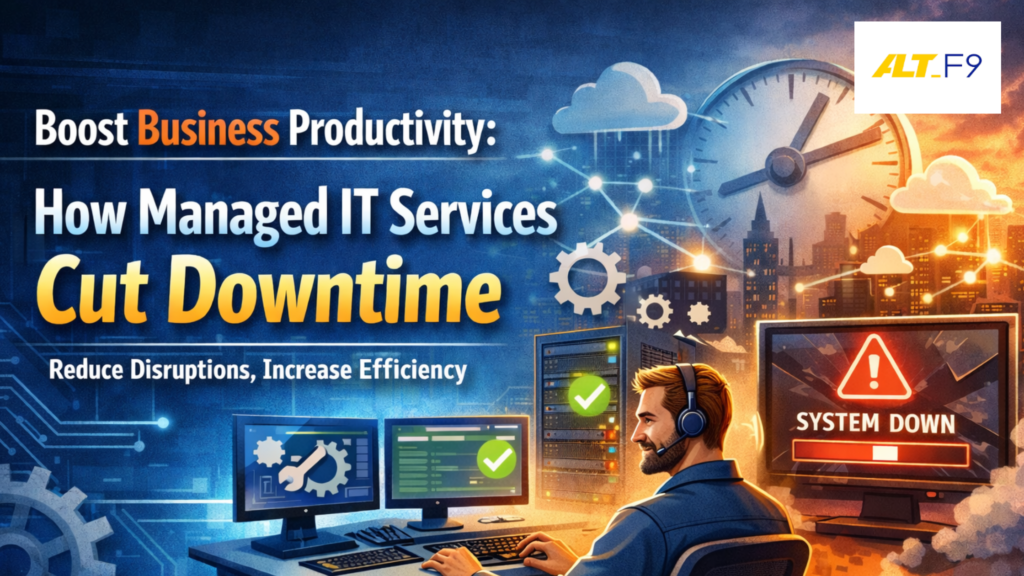
Unlock your business’s potential with managed IT services. Discover how reducing downtime can boostproductivity and drive success in today’s digital landscape.
Understanding Managed IT Services
Managed IT services refer to the practice of outsourcing a variety of IT functions to a third-party service provider. These providers, known as Managed Service Providers (MSPs), take on the responsibility of managing, monitoring, and maintaining a company’s IT infrastructure and end-user systems. By leveraging the expertise of MSPs, businesses can focus on their core operations while ensuring that their IT systems are in capable hands.
Managed IT services typically include a range of offerings such as network management, data backup and recovery, cybersecurity, and IT support. The goal is to provide a comprehensive IT solution that helps businesses operate smoothly and efficiently. By entrusting these critical functions to an MSP, companies can benefit from the latest technology and industry best practices without the need for significant in-house expertise.
One of the key advantages of managed IT services is the proactive approach to IT management. MSPs use advanced tools and techniques to monitor systems in real-time, identify potential issues before they become critical, and implement preventive measures to minimize the risk of downtime. This proactive stance ensures that IT systems are always optimized and functioning at their best, which is crucial for maintaining business continuity and productivity.
The Importance of Downtime in Business Operations
Downtime, the period during which a system is unavailable or not operational, can have significant consequences for business operations. In today’s fast-paced and highly competitive market, even a few minutes of downtime can lead to lost revenue, decreased productivity, and damage to a company’s reputation. As businesses increasingly rely on digital technologies to drive their operations, the cost of downtime has become a critical concern.
When systems go down, employees are unable to perform their tasks, leading to a drop in productivity and efficiency. This can be particularly damaging in industries where time sensitive operations are crucial, such as finance, healthcare, and manufacturing. In addition to the immediate impact on productivity, downtime can also have long-term effects on employee morale and customer satisfaction, as disruptions can erode trust and confidence in the organization’s ability to deliver reliable services.
Moreover, downtime can result in significant financial losses. According to industry studies, the average cost of IT downtime can range from thousands to millions of dollars per hour, depending on the size and nature of the business. These costs include not only the direct loss of revenue but also the expenses associated with resolving the issue, such as overtime pay for IT staff, emergency repairs, and potential regulatory fines. Given these substantial risks, minimizing downtime is a top priority for businesses seeking to maintain their competitive edge and ensure smooth operations.
How Managed IT Services Reduce Downtime
Managed IT services play a crucial role in reducing downtime by providing a proactive and comprehensive approach to IT management. One of the primary ways MSPs achieve this is through continuous monitoring of IT systems. By keeping a constant watch on network performance, server health, and application functionality, MSPs can detect and address potential issues before they escalate into major problems. This real-time monitoring allows for quick identification and resolution of anomalies, ensuring that systems remain operational and downtime is minimized.

In addition to monitoring, managed IT services include preventive maintenance and regular updates to IT infrastructure. MSPs ensure that all hardware and software components are up-to-date and functioning optimally. This includes applying security patches, performing system upgrades, and conducting routine maintenance checks. By keeping IT systems in peak condition, MSPs reduce the likelihood of unexpected failures and ensure that any potential vulnerabilities are addressed promptly.
Another critical aspect of managed IT services is the implementation of robust backup and disaster recovery plans. In the event of a system failure or data loss, MSPs can quickly restore operations with minimal disruption. Regular data backups ensure that critical information is always available, and well-defined disaster recovery procedures enable swift recovery from any incidents. This comprehensive approach to data protection and recovery ensures that businesses can continue to operate even in the face of unexpected challenges, significantly reducing the impact of downtime on their operations.
Key Features of Managed IT Services
Managed IT services encompass a wide range of features designed to support and enhance business operations. One of the most significant features is 24/7 monitoring and support. MSPs provide round-the-clock surveillance of IT systems, ensuring that any issues are detected and resolved promptly, regardless of the time of day. This continuous monitoring helps prevent downtime and ensures that businesses can operate without interruption.
Another key feature of managed IT services is cybersecurity. With the increasing prevalence of cyber threats, protecting sensitive data and IT infrastructure is more critical than ever. MSPs offer comprehensive security solutions, including firewalls, antivirus software, intrusion detection systems, and regular security audits. These measures help safeguard against cyberattacks and ensure that businesses comply with industry regulations and standards.
Managed IT services also include network management and optimization. MSPs ensure that network infrastructure is properly configured, maintained, and optimized for performance. This includes managing network devices, monitoring bandwidth usage, and implementing quality of service (QoS) policies to prioritize critical applications. By optimizing network performance, MSPs help businesses achieve faster data transfer speeds, reduced latency, and improved overall efficiency.
The Role of Proactive Monitoring in Minimizing Downtime
Proactive monitoring is a cornerstone of managed IT services and plays a vital role in minimizing downtime. Unlike reactive approaches that address issues only after they occur, proactive monitoring involves continuous surveillance of IT systems to identify and resolve potential problems before they impact operations. This forward-thinking approach helps prevent disruptions and ensures that businesses can maintain a high level of productivity.
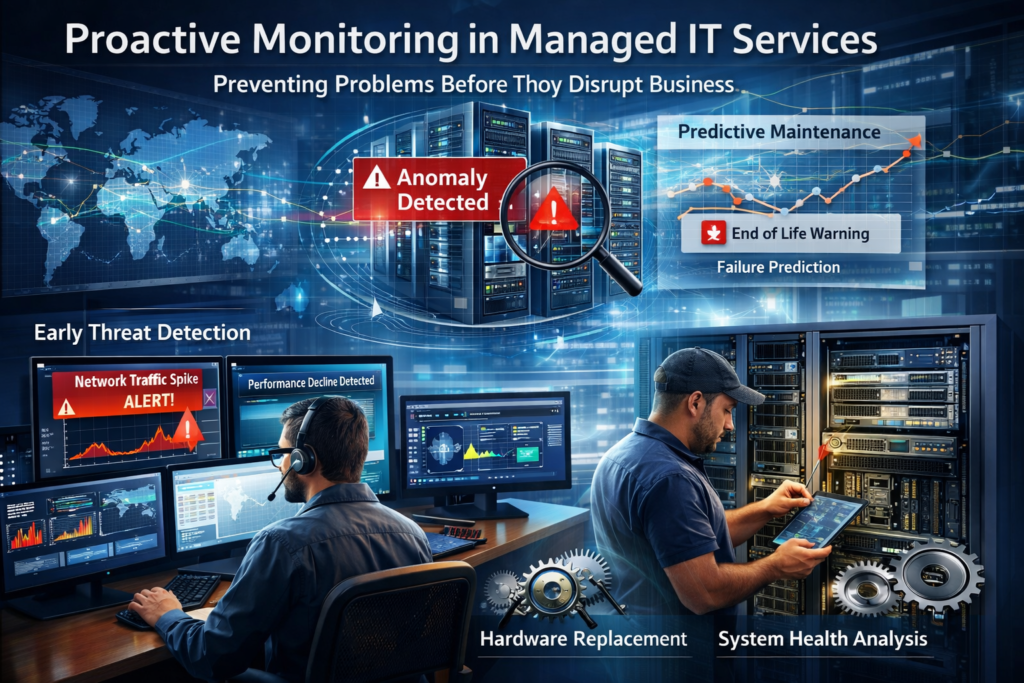
One of the primary benefits of proactive monitoring is early detection of anomalies. By continuously analyzing system performance data, MSPs can identify unusual patterns or behaviors that may indicate an impending issue. For example, an unexpected spike in network traffic or a gradual decline in server performance can be early warning signs of a potential problem. By catching these issues early, MSPs can take corrective action before they escalate into significant disruptions.
Proactive monitoring also enables predictive maintenance. By analyzing historical performance data, MSPs can identify trends and predict when certain components may be nearing the end of their lifecycle. This allows for timely replacement or maintenance of hardware and software, reducing the risk of unexpected failures. Predictive maintenance ensures that IT systems are always in optimal condition, further minimizing the chances of downtime and ensuring smooth business operations.
Case Studies: Businesses That Improved Productivity with Managed IT
Many businesses have experienced significant improvements in productivity and operational efficiency through the adoption of managed IT services. For instance, a mid-sized law firm struggling with frequent system outages and slow network performance turned to an MSP for assistance. The MSP implemented continuous monitoring, upgraded the firm’s network infrastructure, and established a robust data backup and recovery plan. As a result, the law firm experienced a dramatic reduction in downtime, allowing attorneys to focus on their clients and cases without IT-related disruptions.
In another example, a healthcare provider faced challenges with maintaining the security and compliance of its patient data. The provider engaged an MSP to manage its IT systems, implement advanced cybersecurity measures, and ensure compliance with healthcare regulations. With the MSP’s proactive monitoring and security solutions, the healthcare provider significantly reduced the risk of data breaches and improved the overall reliability of its IT infrastructure. This allowed healthcare professionals to concentrate on delivering quality patient care without worrying about IT issues.
A manufacturing company also benefited from managed IT services by outsourcing the management of its complex IT infrastructure to an MSP. The MSP provided continuous monitoring, preventive maintenance, and rapid response to any issues that arose. This proactive approach minimized downtime and ensured that the company’s production lines operated smoothly. The result was increased productivity, reduced operational costs, and improved customer satisfaction due to timely order fulfillment.
Cost-Benefit Analysis of Managed IT Services
Investing in managed IT services can yield significant cost savings and benefits for businesses. One of the most notable advantages is the reduction in downtime, which directly translates to increased productivity and revenue. By minimizing disruptions and ensuring that IT systems operate smoothly, businesses can maintain consistent operations and avoid the financial losses associated with system outages.
Managed IT services also provide cost savings through economies of scale. MSPs can leverage their expertise, resources, and technology to deliver high-quality IT services at a lower cost than maintaining an in-house IT team. This includes access to advanced monitoring tools, cybersecurity solutions, and industry best practices that may be cost-prohibitive for individual businesses to implement on their own. By outsourcing IT management to an MSP, businesses can benefit from these efficiencies and reduce their overall IT expenses.
Additionally, managed IT services offer predictability in IT budgeting. MSPs typically offer fixed monthly pricing models, allowing businesses to plan and manage their IT expenses more effectively. This eliminates the uncertainty and variability associated with unexpected IT issues and emergency repairs. With predictable costs and reduced risk of downtime, businesses can allocate their resources more strategically and focus on growth and innovation.
Choosing the Right Managed IT Service Provider
Selecting the right managed IT service provider is crucial for maximizing the benefits of managed IT services. Businesses should consider several factors when evaluating potential MSPs, including their expertise, experience, and range of services offered. It’s essential to choose an MSP with a proven track record of success and experience in managing IT systems similar to those of the business. This ensures that the MSP has the knowledge and skills required to address the unique needs and challenges of the business.
Another important consideration is the level of support and responsiveness provided by the MSP. Businesses should look for MSPs that offer 24/7 support and have a reputation for quick response times. This ensures that any issues are addressed promptly, minimizing the risk of downtime. It’s also beneficial to choose an MSP that provides a dedicated account manager or point of contact, ensuring clear communication and personalized
service.
Lastly, businesses should evaluate the MSP’s approach to cybersecurity and data protection. With the increasing prevalence of cyber threats, it’s essential to choose an MSP that prioritizes security and has robust measures in place to protect sensitive data and IT infrastructure. This includes regular security audits, advanced threat detection, and comprehensive backup and disaster recovery plans. By selecting an MSP with a strong focus on security, businesses can ensure that their IT systems are protected against potential threats.
Future Trends in Managed IT Services
The landscape of managed IT services is continually evolving, driven by advancements in technology and changing business needs. One of the emerging trends is the increased adoption of artificial intelligence (AI) and machine learning (ML) in IT management. These technologies enable MSPs to analyze vast amounts of data, identify patterns, and predict potential issues with greater accuracy. By leveraging AI and ML, MSPs can enhance their proactive monitoring capabilities, further reducing the risk of downtime and improving overall IT performance.
Another significant trend is the growing importance of cybersecurity in managed IT services. As cyber threats become more sophisticated and prevalent, businesses are increasingly relying on MSPs to provide comprehensive security solutions. This includes advanced threat detection and response, security information and event management (SIEM), and continuous security monitoring. MSPs are also focusing on helping businesses achieve compliance with industry regulations and standards, ensuring that their IT systems are secure and compliant.
Cloud computing is also playing a significant role in the future of managed IT services. The shift towards cloud-based solutions allows businesses to scale their IT resources more flexibly and cost-effectively. MSPs are increasingly offering cloud management services, helping businesses migrate to the cloud, optimize their cloud infrastructure, and manage hybrid IT environments. This trend towards cloud adoption provides businesses with greater agility and resilience, enabling them to respond more effectively to changing market conditions.
Conclusion: Maximizing Business Productivity Through Managed IT Services
In conclusion, managed IT services offer a comprehensive and proactive approach to IT management that can significantly enhance business productivity and reduce downtime. By leveraging the expertise of Managed Service Providers, businesses can ensure that their IT systems are continuously monitored, maintained, and optimized for performance. This proactive approach helps prevent disruptions, minimize the risk of downtime, and ensure smooth and efficient operations.
The benefits of managed IT services extend beyond just reducing downtime. Businesses can also achieve cost savings, improve cybersecurity, and gain access to advanced technology and industry best practices. By choosing the right MSP and leveraging their expertise, businesses can focus on their core operations and drive growth and innovation. As the landscape of managed IT services continues to evolve, businesses that embrace these solutions will be well-positioned to thrive in the digital age.
Ultimately, managed IT services provide a strategic advantage for businesses seeking to maximize productivity and maintain a competitive edge. By investing in these services, businesses can unlock their full potential, ensure reliable and secure IT systems, and achieve long-term success in today’s dynamic and fast-paced market.
📞 Free Consultation:
Phone: +91 8056005901
Email: Contact@altf9.tech
Official Website: https://altf9.tech